In classrooms, studios, and digital spaces across the world, the partnership between arts and education is undergoing a powerful renaissance. Once viewed as an optional complement to “core subjects,” the arts are now at the center of conversations about cognitive development, emotional intelligence, innovation, and cultural literacy. As societies navigate complex challenges—from technological disruption to global interconnectedness—the role of creativity has grown more essential than ever. The arts are no longer decorative elements of learning; they are catalysts for deeper understanding and more adaptive thinking.
Why Creative Education Matters in a Changing World
Education systems have long prioritized logic, memorization, and standardized testing. Yet modern life increasingly demands a different set of skills: the ability to imagine new possibilities, think critically across disciplines, communicate clearly, and solve problems through unconventional approaches. These strengths are cultivated through artistic engagement.
Whether students are painting, acting, composing music, dancing, or experimenting with digital media, the arts embed learning experiences with flexibility and exploration. They encourage students to see beyond the expected and to take intellectual risks. This mindset—open, inquisitive, and resilient—prepares learners for careers and societies shaped by constant evolution.
Building Cognitive and Emotional Intelligence Through Art
One of the most powerful contributions of the arts to education is the way they develop both the mind and the heart. Far from being simply expressive activities, the arts sharpen critical thinking, enhance memory, and improve pattern recognition. For instance, studies have shown that musical training can strengthen mathematics performance through rhythm, counting, and auditory processing. Visual arts improve spatial reasoning, which is crucial in fields like engineering and architecture.
Just as importantly, participation in the arts nurtures emotional and social intelligence. Students learn to interpret symbolism, read body language, express personal narratives, and understand alternative perspectives. These skills underlie empathy, one of the core components of emotional maturity. In drama classes, for example, students embody different characters, expanding their capacity to understand others’ experiences. In dance, students learn to communicate without words, building trust and cooperation through movement.

Art as a Gateway to Multicultural Understanding
As education becomes increasingly global, the arts offer a vital bridge across cultures. Music, visual art, literature, and performance are universal languages that communicate identity and history in ways textbooks cannot replicate. When students explore African drumming, Japanese calligraphy, Renaissance painting, or Latin American storytelling, they gain insight into the values, traditions, and worldviews of different societies.
This multicultural immersion helps develop cultural literacy—a skill essential for thriving in diverse communities and international careers. In classrooms where arts and education intersect, students learn to respect differences and appreciate the richness of global creativity.
STEAM: Integrating Art Into Science and Technology
One of the most significant developments in arts education is the movement from STEM (Science, Technology, Engineering, and Mathematics) to STEAM—which adds the “A” for Arts. This shift reflects the recognition that creativity and design thinking are crucial components of scientific and technological innovation.
Artists and scientists share similar approaches: both observe, experiment, imagine possibilities, and solve problems through iteration. In STEAM environments:
-
Students build robots but also design their aesthetics.
-
They code video games while producing their soundtracks and visual assets.
-
They study biology while drawing anatomical sketches to enhance understanding.
-
They examine physics concepts through dance, mapping movement to force and motion.
This blending of disciplines not only enhances comprehension but also stimulates the kind of inventive thinking that drives breakthroughs in technology, engineering, and digital media.
Digital Creativity: New Frontiers in Arts Education
The digital revolution has expanded the boundaries of what art and education can achieve together. Tools like graphic design software, 3D modeling programs, digital drawing tablets, virtual reality, and music-production platforms enable students to create in ways unimaginable a generation ago.
Digital arts education offers several key benefits:
Accessibility and Inclusivity
Students from diverse backgrounds can participate using affordable or free software. Online platforms allow young creators to share work with global peers, fostering inspiration and collaboration.
Preparation for Creative Careers
Industries such as animation, gaming, advertising, film, and UX design rely on digital artistry. Early exposure helps students discover career paths aligned with their talents.
Blending Traditional and Modern Techniques
Rather than replacing traditional art, digital tools expand their possibilities. A student might sketch by hand, then enhance the work digitally. A photographer might combine analog shots with digital editing. This hybrid approach enriches the creative process.
The Role of Arts in Personal Development
Beyond academic growth, the arts play a profound role in shaping identity and confidence. Many students discover their voice through creative expression. They learn to articulate their ideas, manage criticism constructively, and persevere through trial-and-error.
Art fosters patience and self-discipline. A musician practices daily; a painter layers colors slowly; a writer revises repeatedly. These habits translate into stronger work ethics and improved focus across all subjects.
For students who struggle with traditional academics, artistic activities can become empowering entry points into learning. Creative achievement boosts self-esteem, often inspiring improved performance in other areas.
Community Engagement and the Social Value of Arts Education
Schools that prioritize arts education often serve as cultural hubs for their communities. Exhibitions, concerts, theater productions, and film showcases bring families, neighbors, and local organizations together. These events celebrate student talent and reinforce community identity.
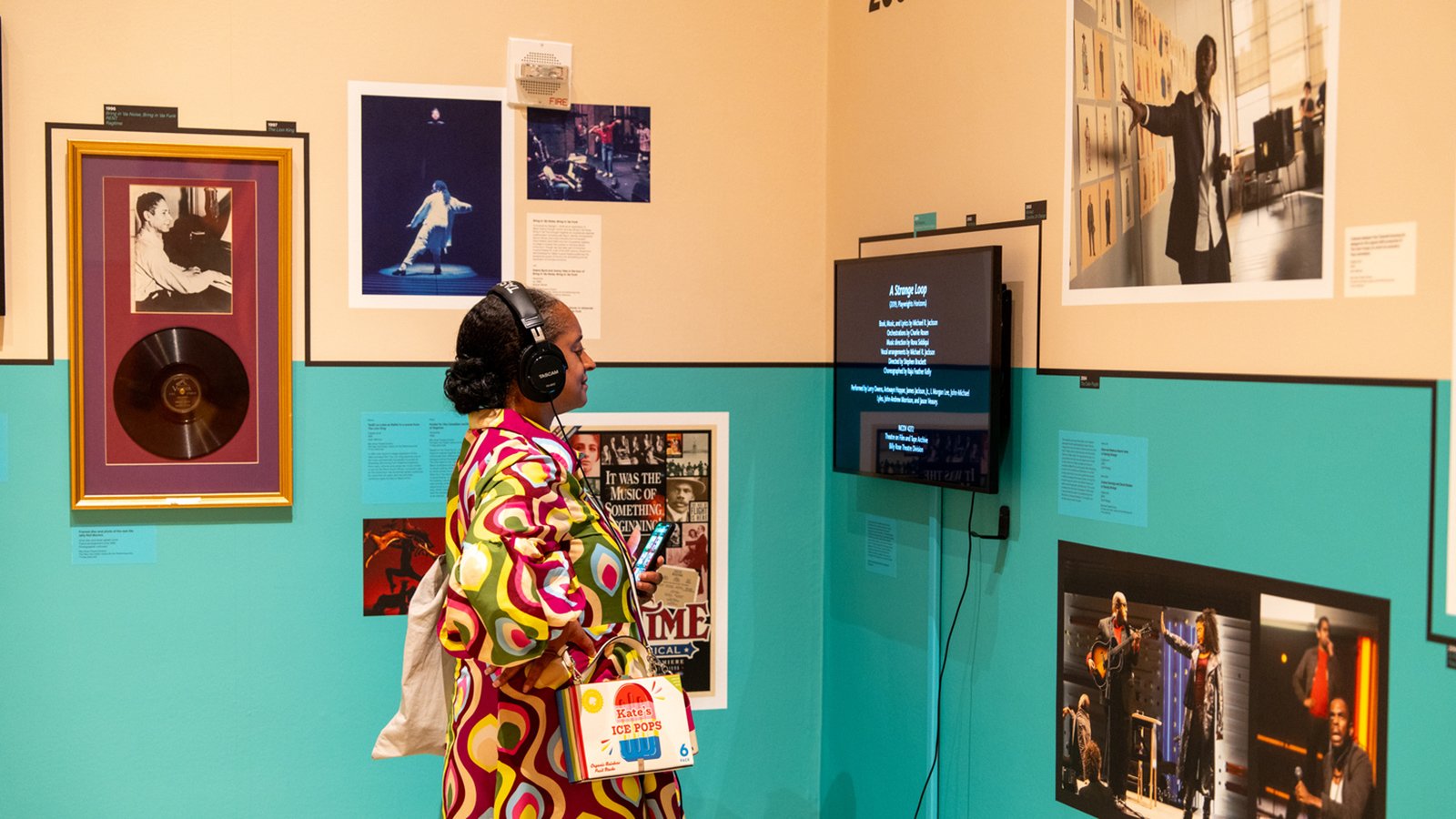
Arts-integrated schools also frequently collaborate with museums, theaters, galleries, and cultural centers. Such partnerships expose students to professional creative environments and provide mentorship opportunities. In many cities, community arts programs have become strong supports for at-risk youth, offering safe spaces for expression and personal growth.
Challenges Facing Arts Education Today
Despite its proven value, arts education often faces budget cuts, staffing shortages, and limited classroom time. Schools sometimes treat the arts as optional—an add-on rather than a core discipline. As a result, many students have uneven access to creative learning opportunities.
Technology can bridge some gaps, but it cannot replace the mentorship, collaboration, and hands-on experience that live arts instruction provides. Ensuring equitable access remains one of the most important challenges for educators and policymakers.
Looking Ahead: A Creative Future for Learning
As education continues to evolve, the integration of arts into learning environments will be essential. Future trends may include:
-
Expanded use of augmented and virtual reality for immersive art creation
-
AI-assisted creative tools that help students experiment with new forms
-
Greater collaboration between artists and educators in designing curricula
-
More cross-cultural creative programs connecting classrooms worldwide
-
Increased recognition of creative careers as central to the global economy
Ultimately, the union of arts and education nurtures well-rounded, imaginative thinkers who are better prepared to navigate the complexities of modern life. It encourages students to observe deeply, express freely, and approach challenges with curiosity and creativity. In a rapidly changing world, these are not luxuries—they are necessities.