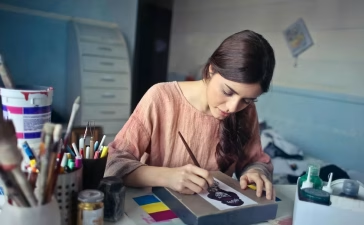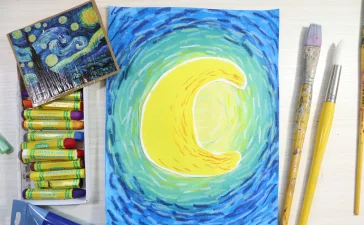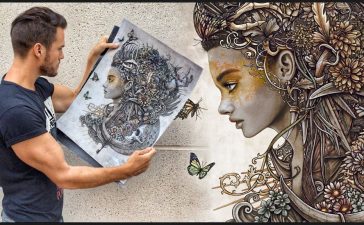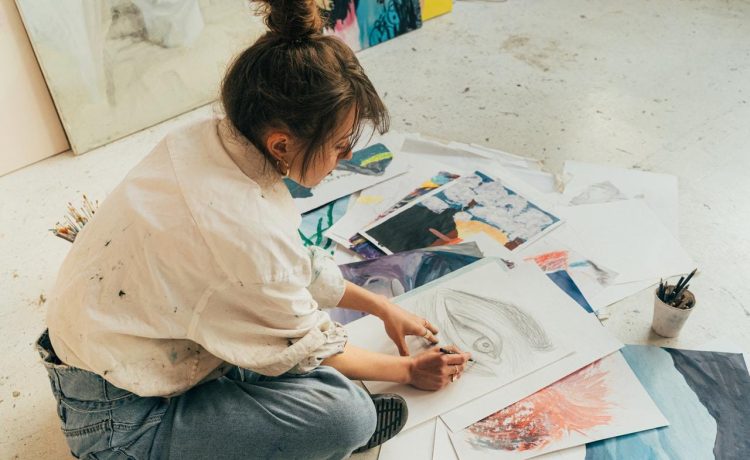
Art and education have always been deeply connected, forming the foundation of human expression, cultural identity, and intellectual growth. While traditional education emphasizes logic, memorization, and measurable outcomes, art invites imagination, empathy, and innovation. Together, they create a balanced learning experience that nurtures not just knowledge, but the human spirit.
In today’s world — driven by technology, competition, and constant change — the integration of arts into education is more vital than ever. It cultivates creativity, emotional intelligence, and problem-solving skills that prepare students not just for careers, but for life.
The Role of Art in Human Development
From the first cave paintings to digital design, art has been an essential part of human development. It reflects how people think, feel, and connect with the world. For children, engaging with art encourages curiosity and cognitive growth. Painting, drawing, music, and dance stimulate both hemispheres of the brain — enhancing memory, focus, and coordination.
In education, the arts serve as more than entertainment or enrichment; they are tools for learning. They help students visualize complex ideas, build confidence, and develop emotional resilience. When a student paints, acts, or performs, they are not just creating — they are communicating, interpreting, and expressing abstract ideas in tangible ways.
Research consistently shows that students involved in arts education perform better academically. They develop stronger language skills, higher test scores, and improved social behavior. Art fosters a sense of accomplishment that translates into greater motivation and engagement across all subjects.
Art as a Bridge Between Cultures and Perspectives
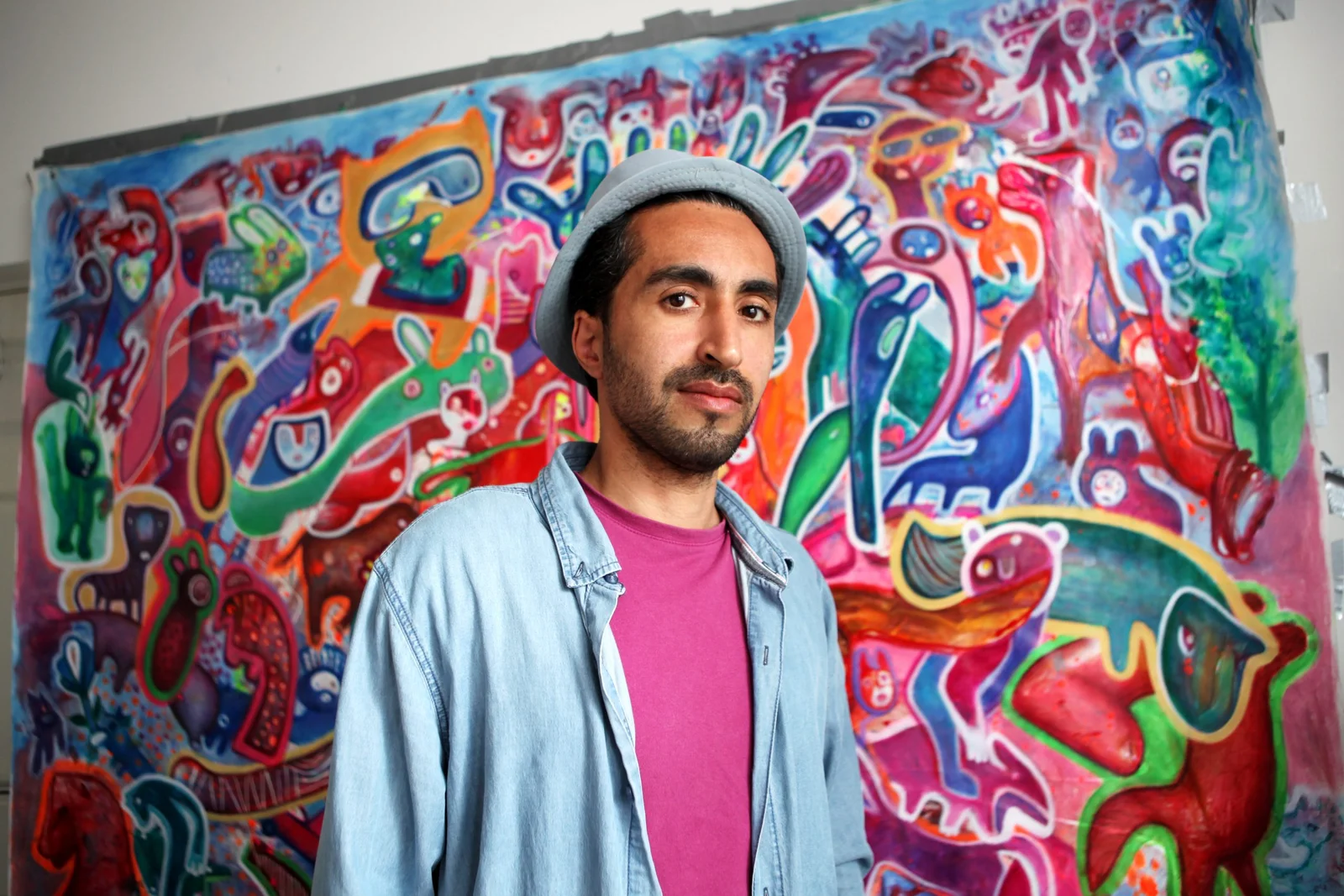
Art education also plays a critical role in fostering empathy and cultural understanding. Through exposure to global art forms — from African masks to Japanese calligraphy — students learn to appreciate diverse traditions and histories.
In a world that is increasingly interconnected, these lessons are invaluable. Art becomes a universal language that transcends borders and differences. It allows students to see the world from multiple viewpoints and develop respect for cultural diversity.
Schools that integrate multicultural art projects, museum visits, and cultural festivals promote inclusion and social awareness. Such experiences not only broaden students’ worldviews but also inspire them to become more open-minded, compassionate citizens.
The Science Behind Creativity: Why the Arts Matter
While science and art may seem like opposites, neuroscience tells a different story. Creative activities stimulate the brain in ways that analytical thinking alone cannot.
When students engage in art, they activate regions associated with emotion, motor coordination, and decision-making. This multi-sensory stimulation improves neural plasticity — the brain’s ability to form new connections. It enhances learning, memory retention, and adaptability.
In fact, many of history’s greatest scientists — from Leonardo da Vinci to Albert Einstein — credited their creative practices with fueling their discoveries. Einstein famously played the violin to relax his mind and spark new ideas. This demonstrates that creativity is not separate from intelligence; it is a core component of it.
Modern education systems are beginning to recognize this connection. By merging STEM (Science, Technology, Engineering, Mathematics) with the Arts, educators have introduced STEAM — an educational approach that emphasizes creativity as an essential part of innovation. The goal is clear: the future requires thinkers who are both analytical and imaginative.
Art Education in the Digital Age
The rise of technology has transformed how art is taught, produced, and shared. Digital tools — from graphic design software to virtual reality — are expanding the boundaries of creativity. Students can now learn painting techniques online, compose music using digital instruments, or design 3D models for animation and gaming.
Online art platforms and creative apps have made art education more accessible than ever. Virtual galleries, online workshops, and interactive courses allow students from any background to explore artistic disciplines without the limits of geography.
However, this digital transformation also presents challenges. The abundance of online content can overwhelm learners, and not all platforms offer meaningful guidance or critique. Therefore, the role of educators remains crucial — to provide mentorship, encourage experimentation, and teach the value of process over perfection.
When balanced properly, technology can be a powerful ally. It democratizes access to the arts and prepares students for creative industries that rely heavily on digital innovation — from film production and animation to web design and game development.
The Economic and Social Impact of Arts Education
Beyond personal growth, arts education has significant economic and societal benefits. The global creative economy — encompassing film, music, fashion, design, and digital media — is worth over $2 trillion and continues to grow rapidly.
Countries that invest in arts education produce more innovative, adaptable workforces. Creative thinking drives entrepreneurship, marketing, and technology development. Companies increasingly seek employees who can think outside the box — a skill often nurtured through artistic practice.
Furthermore, communities with strong arts programs experience higher civic engagement, lower crime rates, and better overall well-being. Local art initiatives, galleries, and performances create social cohesion and contribute to economic revitalization. In this sense, supporting arts education is an investment not just in individuals, but in society as a whole.
Challenges Facing Art in Education
Despite its many benefits, art often remains underfunded and undervalued in education systems worldwide. Budget cuts frequently target art programs first, favoring standardized testing and core subjects like math and science.
This marginalization stems from a misconception that the arts are non-essential — a luxury rather than a necessity. Yet, eliminating creative opportunities deprives students of critical skills like communication, collaboration, and innovation.
Art educators also face challenges in adapting curricula to diverse learning styles and limited resources. Rural and low-income communities, in particular, often lack access to quality art instruction or materials. Bridging this gap requires policy reform, community partnerships, and increased advocacy for the arts as a fundamental right, not a privilege.
Integrating Art Across Disciplines
One effective way to strengthen arts education is through integration — embedding artistic approaches across different subjects. For example:
-
In science, students can illustrate biological systems or design models.
-
In history, they can recreate ancient artifacts or dramatize historical events.
-
In language arts, they can explore storytelling through poetry, film, or theater.
This interdisciplinary learning approach enhances engagement and retention while allowing students to connect theory with practice. It transforms education from a passive process into an active, creative journey.
When students experience how art intersects with math, science, and literature, they begin to see knowledge as interconnected — a web of ideas where creativity ties everything together.
The Future of Art and Education
As we look toward the future, the need for creativity has never been greater. Automation and artificial intelligence are reshaping industries, making uniquely human skills — imagination, empathy, and expression — more valuable than ever.
Art education cultivates these abilities. It teaches students to think critically, communicate emotionally, and find meaning in complexity. These are not just artistic qualities; they are life skills that define success in any field.
To sustain the creative spirit in future generations, educators, policymakers, and communities must champion the arts as a cornerstone of holistic education. Schools that prioritize art not only produce better students but also better thinkers, innovators, and leaders.
Conclusion: Where Knowledge Meets Imagination
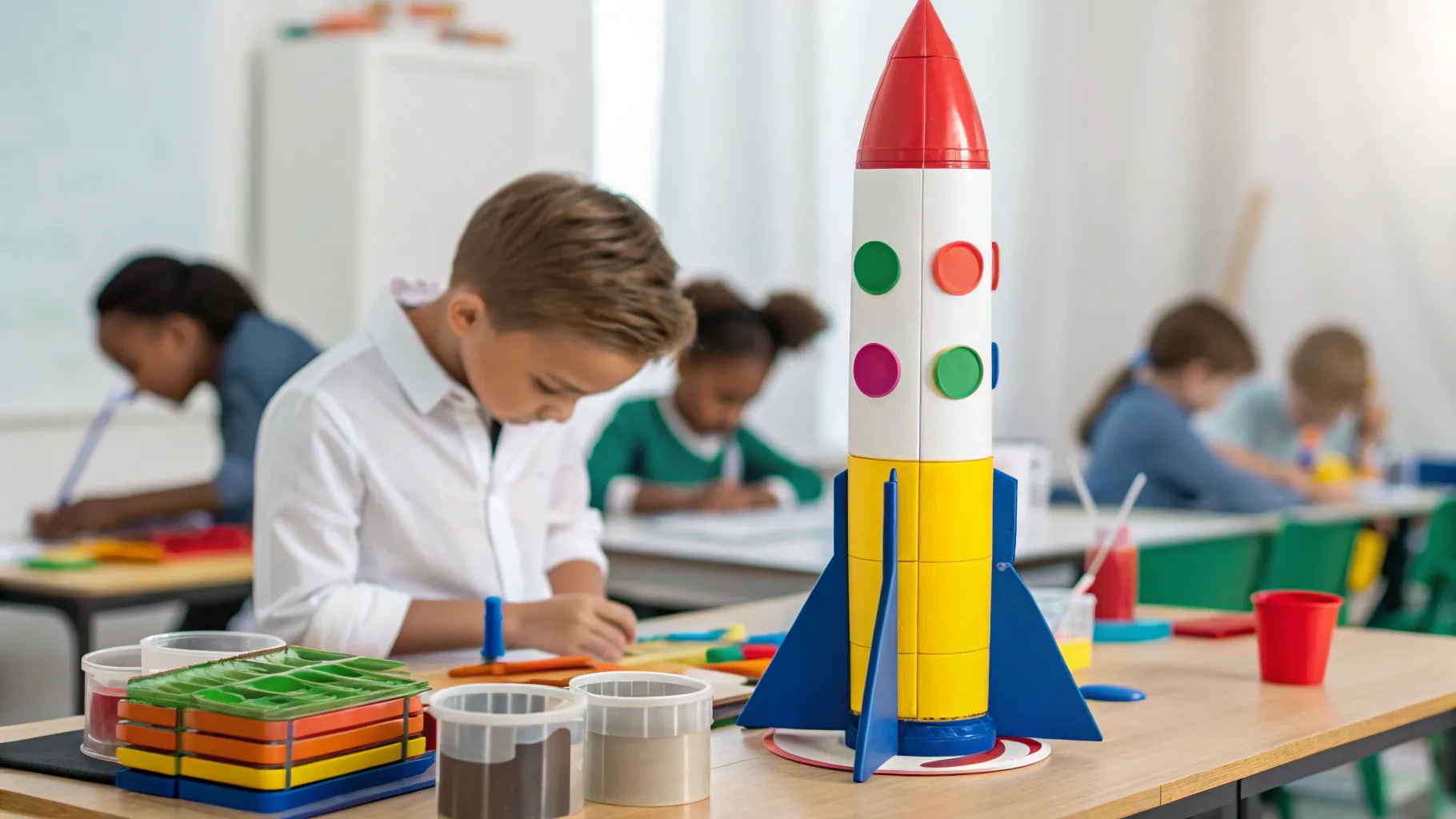
Art and education are not separate worlds — they are partners in shaping human potential. Education gives structure to the mind, while art gives it freedom. Together, they form a powerful force for innovation, empathy, and growth.
In a time when the world faces complex social, technological, and cultural challenges, we must remember that creativity is not optional — it is essential. Investing in arts education means investing in the thinkers, dreamers, and creators who will shape the future.
Because when imagination meets knowledge, true learning begins — and that is where the magic of both art and education truly comes alive.